
Quick Answer: What Is the Best Soil for Indoor Plants?
The best soil for indoor plants is a light, well-draining potting mix — never garden soil or topsoil, which compact in a container and suffocate roots. A good indoor mix balances three things: drainage and aeration (usually from perlite), moisture retention (usually from peat or coco coir), and nutrition (from compost or organic matter). Most houseplants — foliage plants, tropicals, pothos, monstera — do best in a peat-and-perlite base with added compost. Succulents and cacti want that same base with extra perlite or sand for faster drainage.
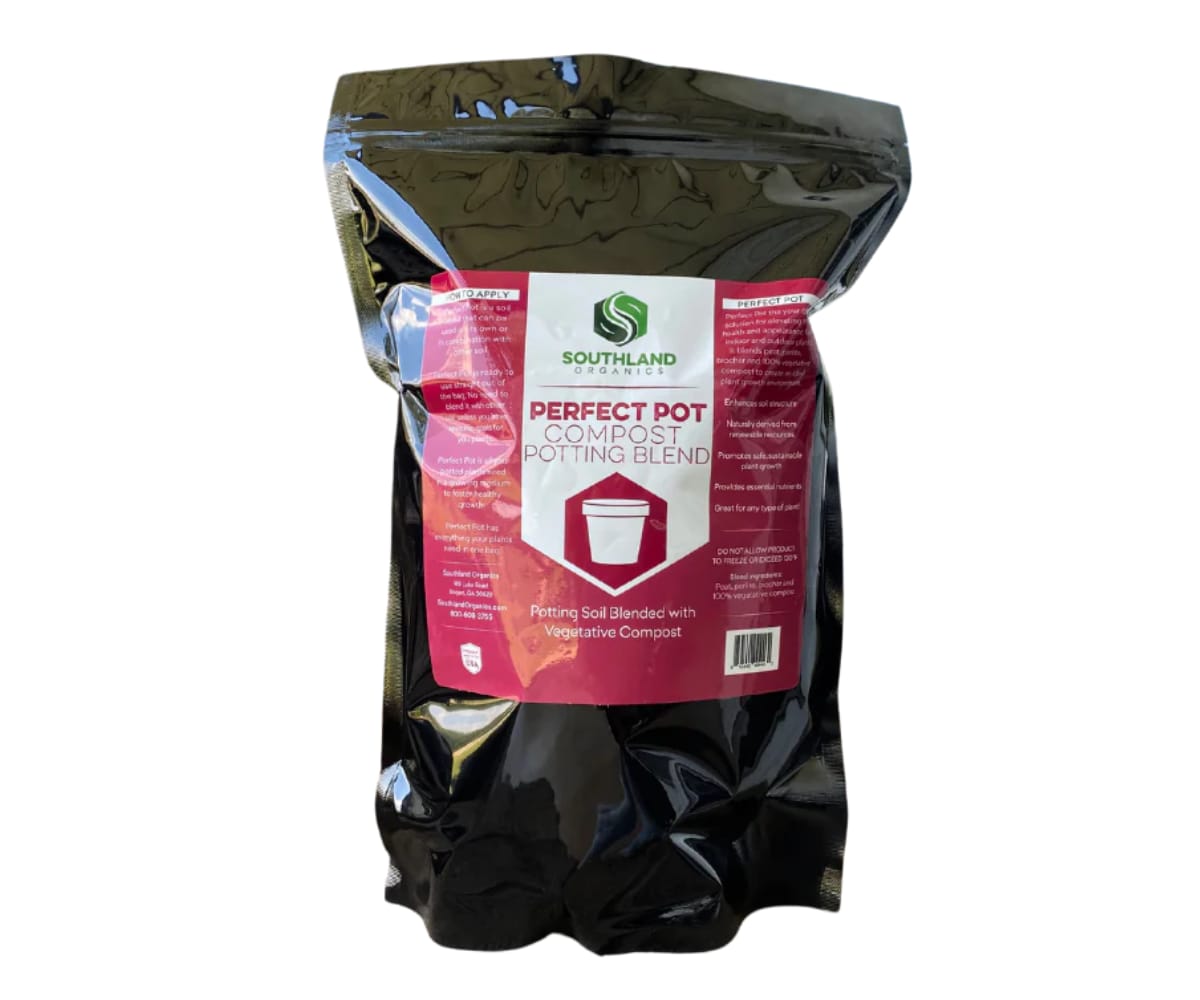
If you want a ready-made blend that already hits this balance, Perfect Pot is our peat, perlite, biochar and 100% vegetative compost mix built specifically for containers.
What Makes a Good Indoor Potting Mix
The key to vibrant plant life lies in the soil. Finding the best potting soil for indoor plants, rich in organic matter and nutrient-rich components, is crucial for their health and growth. By diving into the world of potting mixes and perfecting your potting techniques, you can witness your indoor oasis thrive like never before. And remember, it’s essential to use potting soil mixes specifically formulated for indoor plants because outdoor soil can be too dense and lead to root rot. Growing indoor plants gives you the power to control the environment and provide the right conditions for your plants.
A quality indoor mix should do four jobs at once:
- Drain well. Water should flow through and out the drainage holes, never pool. Perlite and coarse material create the air pockets that let this happen.
- Hold enough moisture. After draining, the mix should stay lightly damp — not bone-dry within a day. Peat moss and coco coir handle this.
- Stay aerated. Roots need oxygen. A mix that packs down into a dense brick starves them and invites root rot.
- Feed the plant. Organic matter and compost supply slow-release nutrients and support the soil biology that keeps nutrients available.
Garden soil fails every one of these in a pot: it compacts, holds too much water, and can carry outdoor pests and disease indoors. That’s why a purpose-built potting mix matters.
One thing indoor and outdoor growing share: nutrients are only useful if the plant can actually absorb them, and that depends heavily on soil chemistry. If you also garden outdoors, our guide to the effect of soil pH on plants explains how pH governs which nutrients your plants can reach — the same principle that makes a good potting mix work.
The ideal indoor potting mix provides essential nutrients and aids in water retention, which is crucial for healthy root systems. Issues can arise without the proper blend, especially with tropical plants. Choosing a mix tailored to the specific needs of your indoor plants, such as compost for nutrition and peat moss for moisture retention, can significantly impact their overall growth and vitality. Before adding any amendments to your soil mix, consider the type of plant to determine the perfect potting mix.
Common Problems with Standard Indoor Potting Soil
Indoor plant enthusiasts often encounter issues with standard indoor potting soil. Common issues include poor water retention leading to overwatering or underwatering, inadequate aeration causing root rot and a lack of specific nutrients for different plant types. Standard mixes may also attract pests like fungus gnats. Transitioning to a tailored potting mix like Perfect Pot Indoor Potting Soil can combat these issues, promoting healthier and thriving indoor plants.
How Perfect Pot Addresses These Issues
Perfect Pot effectively tackles common problems associated with standard indoor potting mixes by incorporating peat moss and perlite. This specialized soil mix ensures optimal water retention and aeration, preventing fungus gnats. Perfect Pot caters to the unique growth requirements of indoor plants, promoting healthy root systems and overall plant vitality. With Perfect Pot, your indoor plants can thrive in an environment tailored to their needs, with the added benefit of improved soil composition.
Key Ingredients of Perfect Pot

Perfect Pot is ideal for potted plants due to its balanced composition of organic matter and nutrient-rich ingredients. As a blend of peat, perlite, biochar and 100% vegetative compost, Perfect Pot ensures optimal water retention and aeration for your indoor plants. This carefully crafted soil mix promotes a healthy root system by allowing water to travel to your plants’ roots easily.
Perlite
Perlite lightens the soil mix, allowing air to circulate around the roots and preventing compaction. It helps create an ideal growing medium that promotes healthy root development and overall plant growth.
Vegetative Compost
Nutrient-rich plant-based compost is a fundamental ingredient in the best soil blends for indoor plants. Rich in organic materials, it enhances the soil structure, promotes microbial activity and boosts nutrient availability. This sustainable addition aids in moisture retention, which is crucial for the health of indoor container plants. When you incorporate plant-based compost into your potting mix, you lay the groundwork for a healthy root system and flourishing indoor garden.
Guide to Repotting Your Indoor Plants
Prepping your indoor plants for their new home involves choosing the right pot size, pot type and more.
How to Choose the Right Pot Size and Type
Ensure your indoor plants thrive by selecting the appropriate pot size and type. When choosing a container, consider the plant’s current size and growth potential. Tropical plants may require larger pots for their expansive root systems, while succulents prefer shallow pots that aid in soil drainage. Opt for containers with drainage holes to prevent water accumulation and reduce the risk of root rot. Match the pot size to the plant size, promoting healthy growth and minimizing transplant shock.
Repotting Process
After choosing a pot that provides ample space for root growth, gently remove the plant from its current container, being cautious not to damage the roots. Place an appropriate amount of Perfect Pot in the new container, position the plant in the center and fill the remaining space with more indoor soil. Compact the soil lightly and water thoroughly. Avoid placing the plant in direct sunlight immediately after repotting to allow it to acclimate to its new environment.
Why Choose Perfect Pot?
Tailored nutrition and eco-friendly components make Perfect Pot a top choice for indoor potting soil. Experience healthier, thriving plants with this specialized solution.
Tailored Nutrition for a Variety of Indoor Plants
Perfect Pot provides tailored nutrition for a wide range of indoor plants, ensuring that each plant receives the specific nutrients it needs to thrive. By combining peat, perlite, biochar and 100% vegetative compost, this soil mix caters to the unique requirements of foliage plants, tropical plants, succulents and more.
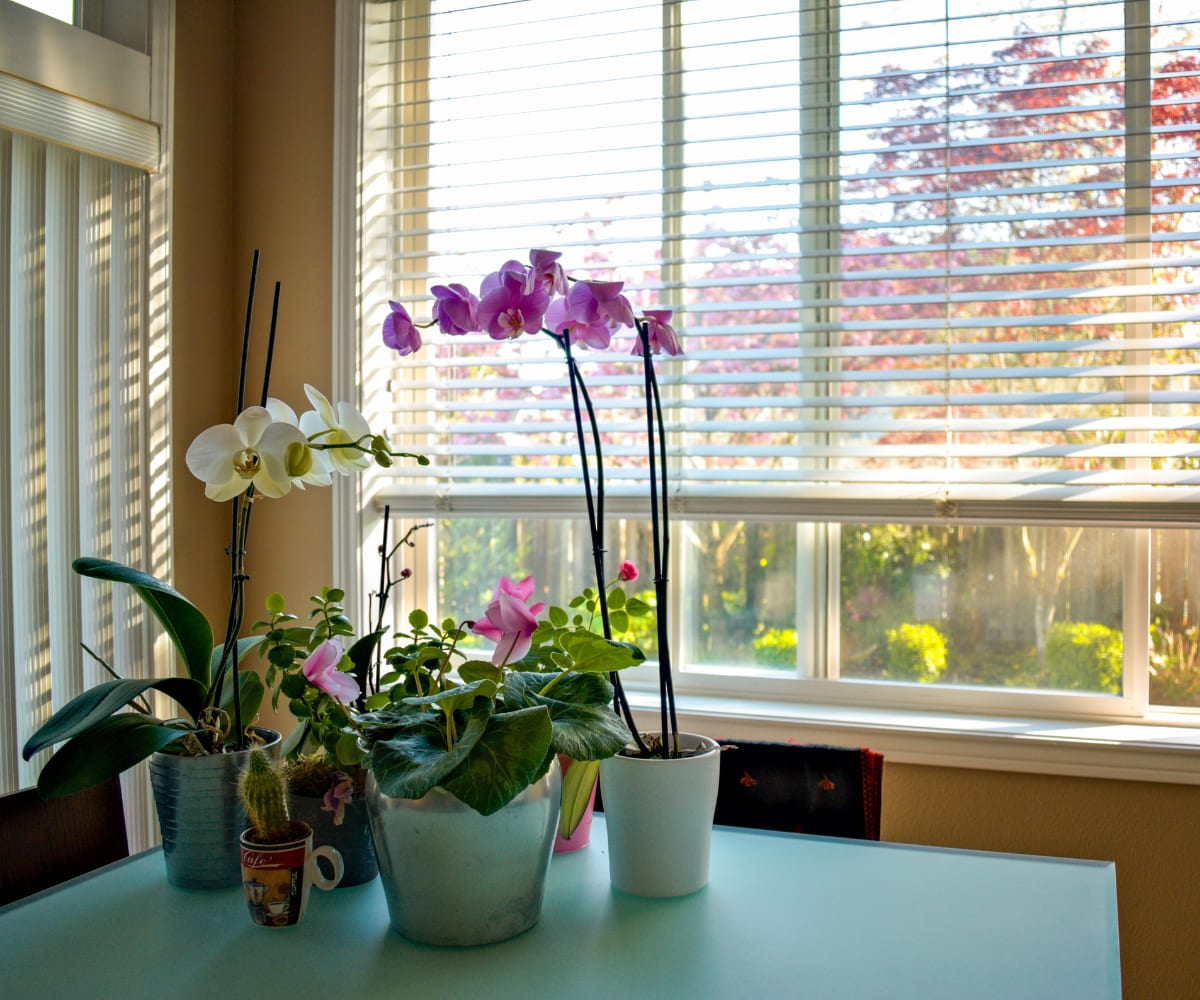
Whether you are growing cacti, orchids, African violets or citrus plants, this soil blend delivers the ideal balance of moisture retention, drainage and aeration with its specialized garden soil mix for healthy growth.
Sustainable and Eco-Friendly Components
Perfect Pot is crafted with sustainable and eco-friendly components, ensuring a greener choice for your plants. By utilizing natural ingredients like peat moss and perlite, your indoor plants thrive while minimizing environmental impact.
The soil mix promotes healthy root systems and moisture retention, which are key factors for sustainable plant growth. Opt for a sustainable option like Perfect Pot to nurture your indoor garden with care and responsibility.
How to Maintain Indoor Plant Health
Maintaining the health of your indoor plants is crucial for their overall growth and longevity. Here are some expert tips for ensuring optimal plant health:
- Choose the Right Pot Size: Choose a pot that will allow the plant’s root system to grow and expand.
- Provide Proper Drainage: Opt for containers with drainage holes to prevent water accumulation and reduce the risk of root rot.
- Use Suitable Soil Blends: Choose high-quality soil that provides adequate nutrients, water retention and aeration.
- Water Plants Appropriately: Water your indoor plants according to their specific needs, considering factors like plant type, humidity and season.
- Monitor Light Exposure: Place your plants in areas where they receive the appropriate amount of light for their specific needs.
- Monitor Your Plants: Keep an eye out for pests, diseases or any signs of stress in your plants and take necessary actions as soon as you can.
Watering Guidelines for Optimal Moisture Levels
Watering your indoor plants correctly is essential for maintaining optimal moisture levels and promoting root health. Here are some watering guidelines to follow:
- Assess Moisture Levels: Before watering, check the moisture levels of the potting soil by inserting your finger about an inch deep into the soil. If it feels dry, it’s time to water.
- Water Thoroughly: When watering, ensure that the entire root ball is evenly moistened. Water until it starts to drain from the bottom of the pot.
- Consider Plant Needs: Different plants have different watering requirements. You can research your indoor plants’ specific needs and adjust watering frequency accordingly.
Spotting and Addressing Common Plant Issues Early
Spotting and addressing common plant issues early is crucial for maintaining the health and well-being of your indoor plants. Here are some common problems to watch out for and how to address them:
- Yellowing Leaves: This can indicate overwatering or nutrient deficiencies. You can adjust your watering habits and consider fertilizing your plants.
- Wilting or Drooping Foliage: This can indicate underwatering or root issues. Check the soil’s moisture levels and adjust watering accordingly. Inspect the root system for any signs of damage or rot.
- Pests: Common indoor plant pests include aphids, mealybugs and spider mites. Spotting them early allows for immediate intervention. Use organic insecticidal soaps or natural remedies to control infestations.
- Fungal Diseases: Excessive moisture and poor airflow can lead to fungal diseases like powdery mildew. Address these issues by improving ventilation and adjusting watering practices.
Contact Us
If you have any questions about Perfect Pot, you can email us at success@southlandorganics.com. Subscribe to our YouTube channel to be the first to know about more soil information!
Frequently Asked Questions
What is the best soil for indoor plants?
The best soil for indoor plants is a light, well-draining potting mix built from peat or coco coir (for moisture), perlite (for drainage and aeration) and compost or organic matter (for nutrition). Avoid garden soil and topsoil — they compact in containers and cause root rot. Match the mix to the plant: standard foliage and tropical plants want a balanced peat-perlite-compost blend, while succulents and cacti want extra perlite for faster drainage.
Can I use potting mix for indoor plants?
Yes — potting mix is exactly what you want for indoor plants. “Potting mix” and “potting soil” are formulated to be lighter and better-draining than in-ground soil, which is what container-grown roots need. Just confirm the mix is meant for indoor or container use and includes drainage material like perlite.
Can I use garden soil or in-ground soil for indoor plants?
No. Garden and in-ground soil is too dense for containers — it compacts, holds too much water, and starves roots of oxygen, leading to root rot. It can also bring outdoor pests, weed seeds and disease indoors. Always use a dedicated potting mix for indoor plants.
What is the best soil for indoor plants with no bugs or fungus gnats?
Fungus gnats breed in soil that stays wet, so the best defense is a fast-draining mix with plenty of perlite and letting the top inch dry between waterings. A clean, bagged potting mix (rather than reused or garden soil) also avoids introducing larvae. Perfect Pot’s peat-and-perlite structure drains quickly, which discourages the standing moisture gnats need.
How often should I repot my indoor plants using Perfect Pot?
The frequency of repotting your indoor plants depends on their growth rate and the size of their root system. As a general guideline, aim to repot every one to two years or when you notice the roots becoming pot-bound. Use Perfect Pot to provide nutrients and ensure healthy growth.
Can Perfect Pot be used for all indoor plants?
Perfect Pot is suitable for a wide range of indoor plants, including succulents, tropical plants and foliage plants. Its balanced soil mix provides the necessary nutrients, water retention and aeration for optimal plant health and growth.
How does Perfect Pot promote sustainable gardening practices?
Perfect Pot promotes sustainable gardening practices by using eco-friendly ingredients. It is free from harmful chemicals and synthetic additives, reducing its environmental impact. By choosing Perfect Pot, you can support sustainable practices and create a healthier environment for your plants.
Table of Contents
- Quick Answer: What Is the Best Soil for Indoor Plants?
- What Makes a Good Indoor Potting Mix
- Common Problems with Standard Indoor Potting Soil
- How Perfect Pot Addresses These Issues
- Key Ingredients of Perfect Pot
- Perlite
- Vegetative Compost
- Guide to Repotting Your Indoor Plants
- How to Choose the Right Pot Size and Type
- Repotting Process
- Why Choose Perfect Pot?
- Tailored Nutrition for a Variety of Indoor Plants
- Sustainable and Eco-Friendly Components
- How to Maintain Indoor Plant Health
- Watering Guidelines for Optimal Moisture Levels
- Spotting and Addressing Common Plant Issues Early
- Contact Us
- Frequently Asked Questions
- What is the best soil for indoor plants?
- Can I use potting mix for indoor plants?
- Can I use garden soil or in-ground soil for indoor plants?
- What is the best soil for indoor plants with no bugs or fungus gnats?
- How often should I repot my indoor plants using Perfect Pot?
- Can Perfect Pot be used for all indoor plants?
- How does Perfect Pot promote sustainable gardening practices?
Written by

Marketing
Marketing, Southland Organics • Agricultural marketing & content
Erin handles marketing at Southland Organics, crafting the campaigns and content that connect growers with the organic solutions they've been looking for.
View full profileReviewed by

Founder & CEO
20+ years in organic agriculture • Humate & soil biology specialist
Mike founded Southland Organics in 2009, the year before his daughter was born, after The Omnivore's Dilemma sent him into soil science. He will tell you he is not a microbiologist.
View full profile