What does it take to run one of the most advanced poultry operations in the world? Joshua and Haley Trimble share how automation, biosecurity and constant innovation are helping them manage a high-tech grandparent poultry farm.
Three years ago, we introduced Joshua and Haley Trimble as they were beginning their poultry farming journey. At the time, they were preparing to enter an entirely new world of poultry production.
Today, their operation looks very different.
What started as a vision has grown into a highly advanced grandparent (GP) poultry operation—one powered by cutting-edge technology, intense biosecurity protocols and a relentless commitment to doing things right.
In a recent visit, we sat down with Joshua and Haley for a deeper look at how their operation has evolved, what makes GP production so unique and why automation has become essential to their success.
What Makes Grandparent Poultry Production Different
For many poultry growers, production is focused on broilers. But grandparent bird operations are an entirely different level of responsibility.
As Joshua explained, a single egg in a GP operation is far more valuable than most people realize. “One egg in a seven-to-nine-year period produces more than three million offspring,” he shared.
That means the impact of one fertile egg stretches far beyond a single flock. It influences generations of poultry production and ultimately helps feed millions of people around the world.
As the Trimbles put it: “It’s not just an egg. It truly is feeding the world.”
Why Egg Handling Matters So Much
With stakes that high, proper egg handling becomes critical. Even microscopic cracks, known as microfractures, can prevent an egg from hatching. Damage during collection or transport can immediately reduce hatchability and production outcomes.
To minimize risk, Joshua and Haley invested in an automated egg packing system designed to reduce unnecessary human handling while improving cleanliness, consistency and quality control.
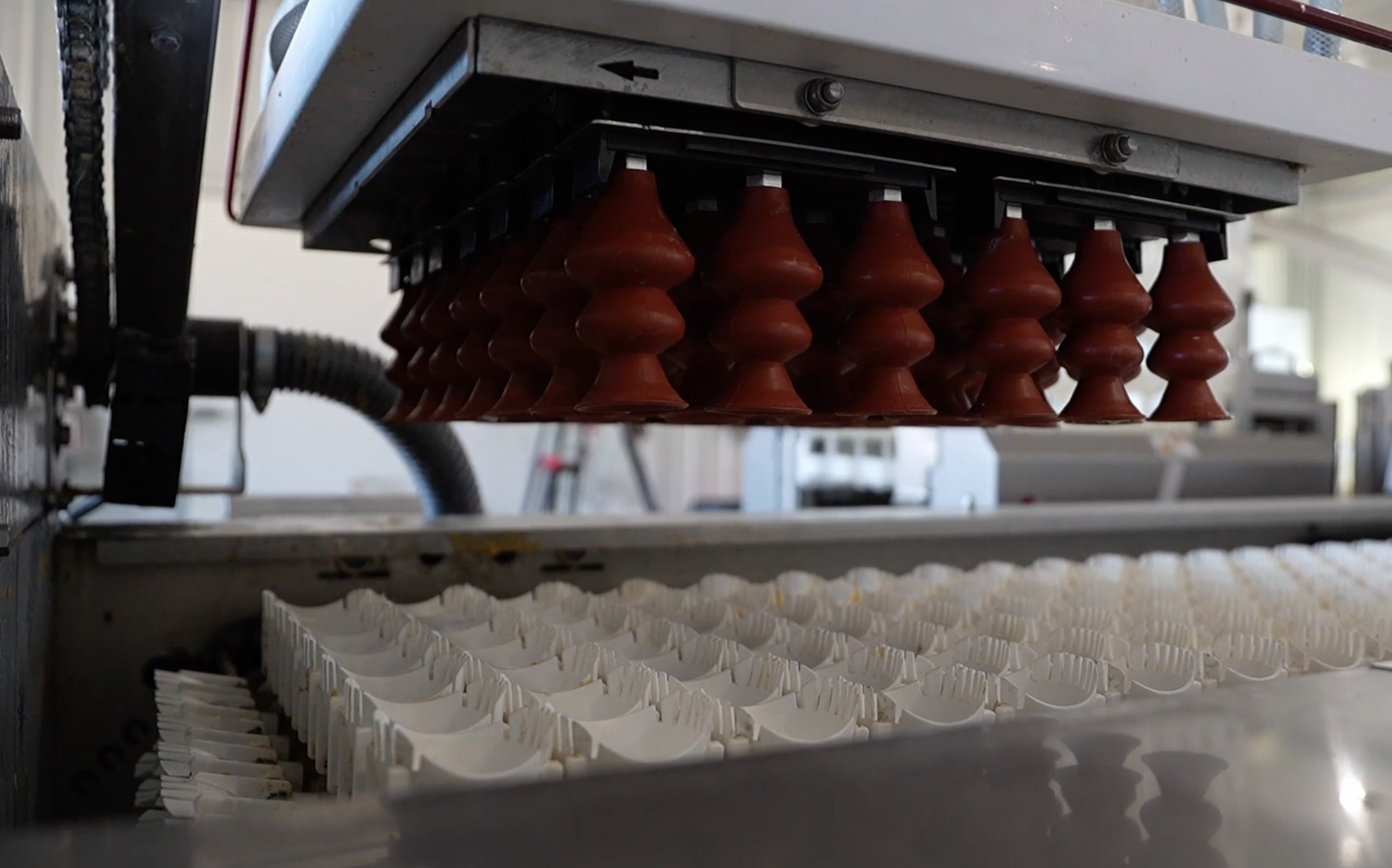
The system helps monitor key factors such as:
- Egg cleanliness
- Egg weight
- Cracks and leaks
- Safe handling throughout collection
By reducing manual handling, the operation protects egg integrity while improving overall efficiency.
How Automation Changed the Operation
Managing a four-house GP farm requires constant attention—not just to eggs, but to birds. Joshua explained that without automation, staffing demands would become extremely difficult to manage effectively.
The automated system allows their team to collect and process eggs efficiently while spending more time focusing on bird care and flock management.
That means more time monitoring critical production factors like:
- Feed intake
- Water systems
- Ventilation
- Bird health and welfare
Technology Designed for Precision
One of the most fascinating parts of the operation is the level of precision behind the equipment.
Joshua and Haley described working with engineered “smart eggs” during system setup. These are specialized eggs equipped with sensors that collected real-time data as they moved through the collection process.
The technology helped engineers identify transitions where adjustments were needed, allowing for micro-level improvements to protect eggs from unnecessary movement or damage. Those small refinements make a major difference when dealing with eggs this valuable.
Learning from Global Poultry Innovation
Joshua’s search for the right equipment even took him overseas. Early in the process, the Trimbles traveled to Europe to study advanced poultry systems firsthand and learn from growers already using this technology.
In Europe, poultry growers manage every aspect of production themselves—from vaccinations and feed calculations to egg export logistics. That experience gave the Trimbles valuable insight into managing a high-performing operation from start to finish.
The visit also strengthened relationships with equipment manufacturers who continue to support the operation today.
Why Biosecurity Is Non-Negotiable
Anyone visiting a GP operation quickly understands one thing: biosecurity is serious business.
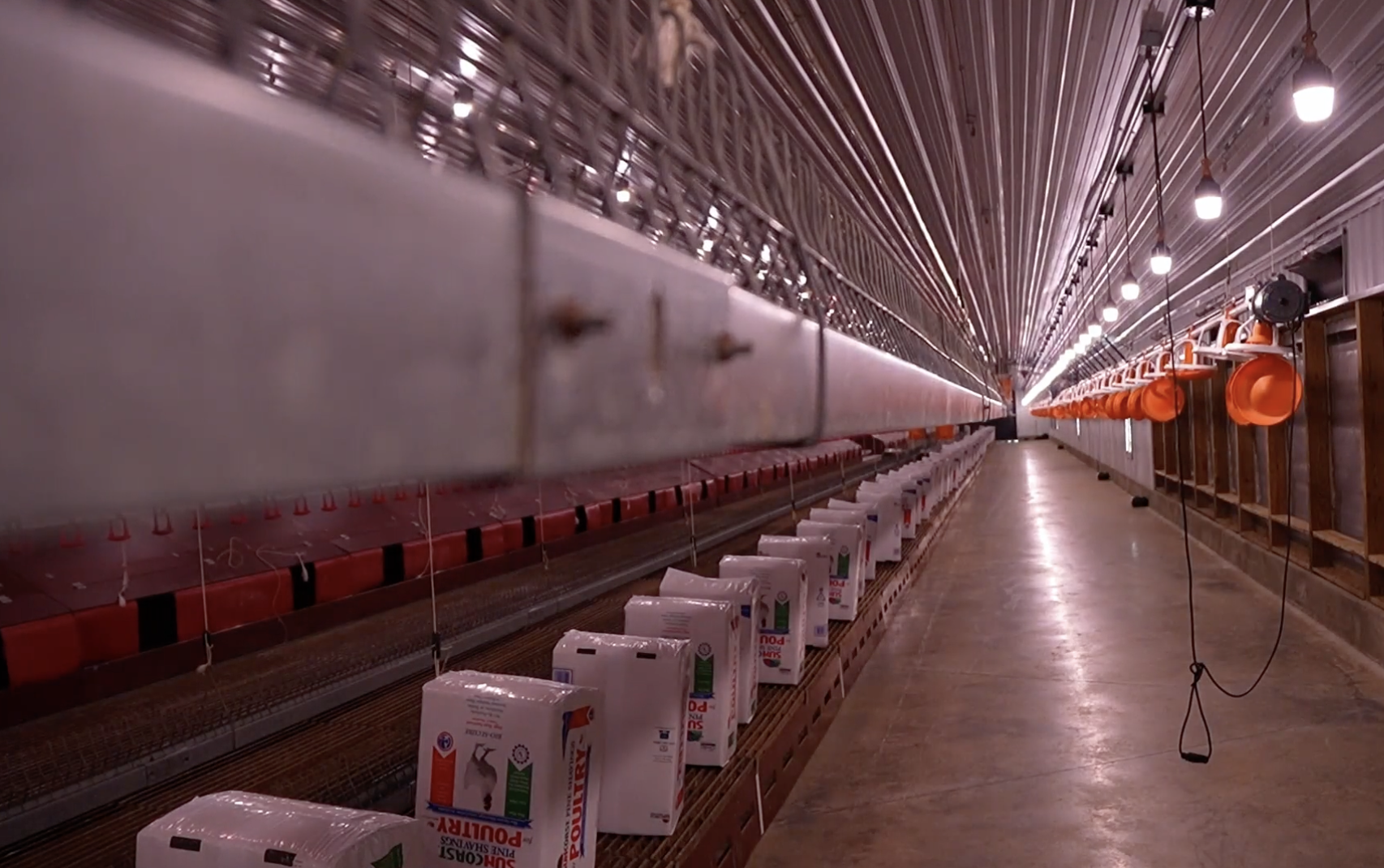
Unlike many farms, entering this operation requires extensive sanitation procedures before stepping inside. That level of protection reflects the importance of maintaining flock health at every stage. As Joshua and Haley emphasized, success comes down to attention to detail. Every process matters. Every precaution matters.
Because when a single egg can influence millions of birds over time, there is little room for error.
Building a Modern Poultry Operation
Joshua and Haley are quick to admit they did not know everything when they started. Even after extensive research, poultry production brought lessons they could only learn through experience.
But through innovation, persistence and a willingness to embrace new technology, they’ve built an operation at the forefront of modern poultry production.
Their story is a reminder that success in poultry farming is not just about hard work—it’s about continuously learning, adapting and investing in systems that support both flock performance and long-term sustainability.
For growers considering automation or looking to improve operational efficiency, their experience offers valuable insight into what’s possible when technology and management work together.
Contact Us
If you have any questions for us, reach out to me at allen@southlandorganics.com. Until next time!
Written by

Vice President & Director of Operations
10+ years in commercial poultry operations • Poultry Development Representative
Allen serves as Vice President and Director of Operations, overseeing poultry development and ensuring our products reach the growers who need them most.
View full profileReviewed by

Marketing
Marketing, Southland Organics • Agricultural marketing & content
Erin handles marketing at Southland Organics, crafting the campaigns and content that connect growers with the organic solutions they've been looking for.
View full profile