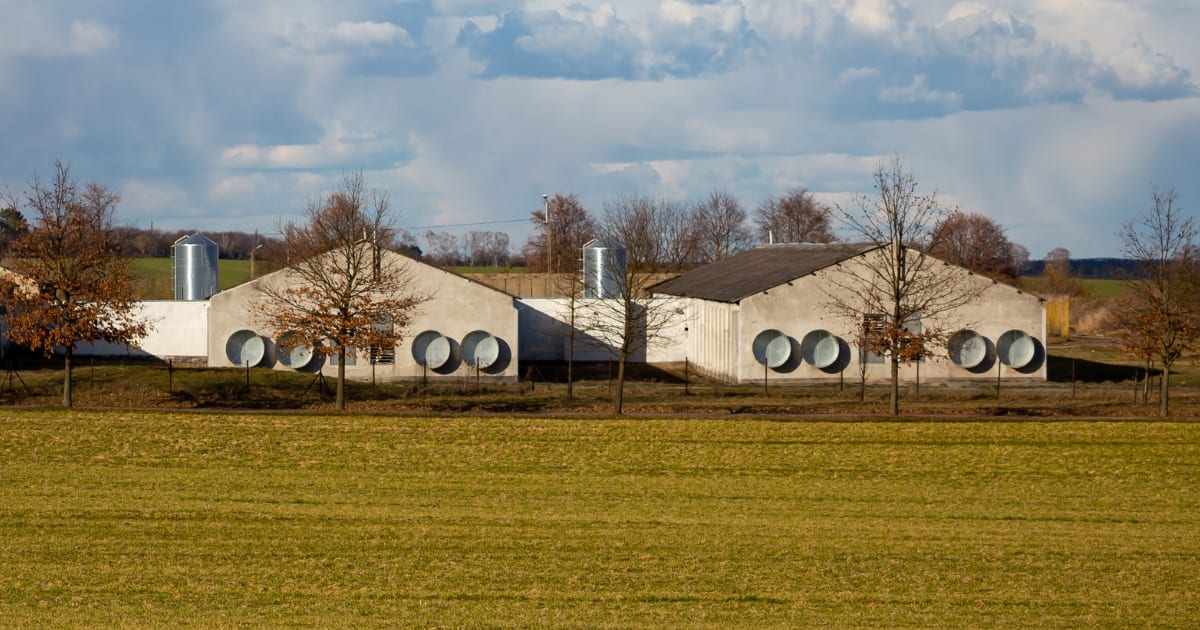
You brought chickens home. Congratulations — and welcome to the mild panic of wondering if you’re doing it right. This guide covers your first 30 days, week by week. No fluff, no 47-step programs. Just what matters this week.
Before Day 1: The Non-Negotiables
Before your birds arrive, you need three things right:
- Coop is predator-proof. Hardware cloth (not chicken wire — raccoons reach through chicken wire). Secure latches. No gaps bigger than 1 inch.
- Waterer and feeder are set up. Clean water and age-appropriate feed. Chicks need starter feed (18-20% protein). Pullets/adults need layer feed (16% protein) once they start laying.
- Bedding is down. Pine shavings are the standard. Avoid cedar (toxic oils) and newspaper (slippery, causes leg problems in chicks).
That’s it. Everything else can be figured out in the first 30 days.
Days 1-7: “Are they okay?”
What’s normal
- Exploring cautiously. New birds will huddle, then gradually explore. Give them 24-48 hours to adjust.
- Not eating much at first. Stress from transport suppresses appetite. They’ll eat when they’re ready.
- Weird sleeping positions. Chickens sleep in odd spots until they figure out the roost.
- Lots of pooping. Chickens poop 25-50 times per day. This is normal.
What to do this week
Day 1: Let them settle in. Don’t handle them much. Make sure they find the water and food. For chicks, dip each beak in the water so they know where it is.
Day 2-3: Start a probiotic in the water. Big Ole Bird at 1 tsp per gallon supports gut health during the transition stress. This is the single most impactful thing you can do in week 1.
Day 3-5: If they’re chicks, add Catalyst to the water (½ tsp per gallon) for the first week. Vitamin support during the stress of arriving and adjusting.
Day 7: First health check. Pick up each bird and look at:
- Weight — does she feel light or heavy for her size?
- Vent — clean? No pasting (dried droppings blocking the vent)?
- Feet — any swelling or sores?
- Eyes — clear and bright?
What to watch for
- Pasty butt in chicks. Droppings dry over the vent and block it. Clean gently with warm water and petroleum jelly. Can be fatal if blocked.
- One bird being excluded. Some pecking order establishment is normal. Bloody or relentless attacks are not — separate the aggressor.
- Not drinking. If a bird isn’t drinking after 24 hours, something is wrong. Check temperature (chicks need 90-95°F in week 1, reducing 5° per week).
Days 8-14: “I think we’ve got this”
What’s normal
- Birds are eating and drinking regularly
- Starting to establish pecking order (some chest bumping, chasing)
- Exploring the coop and run confidently
- Chicks are growing visibly (you can almost watch it happen)
What to do this week
Continue probiotic daily. Big Ole Bird in every water change. This is now your permanent routine — it takes 2-3 weeks for beneficial bacteria to fully colonize the gut.
Do a coop smell check. Get your nose at bird level (not standing height). Can you smell ammonia? If yes, your ventilation needs work or your bedding needs refreshing. Ammonia at bird level damages respiratory tissue.
Start handling your birds. 5-10 minutes per day of gentle handling makes health checks easier later. Pick them up from below (hand under the breast), support the feet, hold against your body.
Observe droppings. Learn what normal looks like so you’ll notice when something changes. Cecal droppings (brown, sticky, strong smell) are normal and happen several times a day.
Week 2 milestone
By the end of week 2, you should have:
- A daily routine (water change with probiotic, check food, collect eggs if applicable)
- Every bird handled at least once
- Coop ventilation assessed and adjusted if needed
Days 15-21: “What about…?”
This is the week you start wondering about everything else. Here are the answers to the questions you’re forming:
“Do I need supplements beyond the probiotic?”
If your hens are laying: yes, add Hen Helper to the water (1 tsp per gallon). It provides vitamins and minerals that support egg production and shell quality. Layer feed covers the basics; Hen Helper covers the gaps.
If they’re chicks or not laying yet: Big Ole Bird is enough for now.
”When do I need to clean the coop?”
Deep litter method: Add fresh bedding on top of existing litter every 1-2 weeks. Do a full cleanout every 3-6 months. A biological litter treatment like Litter Life extends time between cleanouts by keeping ammonia-producing bacteria in check.
Full cleanout method: Strip and replace all bedding every 2-4 weeks. Less biology, more labor, higher bedding cost.
”How do I know if they’re healthy?”
Weekly health check (takes 5 minutes for a small flock):
- Watch them eat. Everyone at the feeder? Anyone hanging back?
- Check the water. How fast are they going through it? Sudden increase = possible illness or heat stress.
- Look at droppings under the roost. Consistent? Any blood, worms, or dramatic color change?
- Pick up 1-2 birds. Weight feel right? Eyes clear? Comb color normal?
Week 3 milestone
By the end of week 3, you should have:
- Weekly health check as a habit
- Litter management approach decided (deep litter vs full cleanout)
- Supplement routine established (probiotic daily, Hen Helper if laying)
Days 22-30: “We’re chicken people now”
What’s happening
Your flock has settled in. They come running when they see you (because you bring food, not because they love you — sorry). The coop routine feels natural. You’re ready to think ahead.
Seasonal awareness
Know what’s coming in the next 1-3 months:
| If it’s… | Prepare for | Products to have on hand |
|---|---|---|
| Spring | New chick integration, mite season starting, egg production ramping up | Catalyst (stress of introductions), Desecticide (mite prevention) |
| Summer | Heat stress, flies, water quality | Catalyst (heat events), extra waterers, shade |
| Fall | Molting, egg drop, shorter days | Hen Helper (feather regrowth vitamins) |
| Winter | Respiratory health, frostbite, coop moisture | Litter Life (ammonia control in closed coop), ventilation adjustments |
Build your emergency kit
Have these on hand before you need them:
- Electrolytes — for heat stress or illness
- Catalyst — stress-period vitamins (new birds, predator scares, weather extremes)
- Vetericyn wound spray — for pecking injuries or bumblefoot
- Desecticide — natural insect control (you’ll need it eventually)
- Flashlight — for nighttime mite checks
Month 1 milestone
By day 30, you should have:
- A daily routine that takes 10-15 minutes (water, food, quick visual check, egg collection)
- A weekly health check that takes 5 minutes
- Every bird handled and familiar with being picked up
- Seasonal plan for the next 1-3 months
- Emergency supplies on hand
The Simple Daily Routine
Here’s what your chicken morning looks like after the first month:
- Open coop (if you close it at night for predators)
- Check water — refill with fresh water + Big Ole Bird (1 tsp/gallon)
- Check feed — refill if needed
- Collect eggs — if applicable
- Quick visual — everyone moving? Anyone puffed up or isolated?
- Close coop at dusk (if applicable)
Total time: 5-10 minutes, twice a day. That’s it.
When Something Goes Wrong
It will happen eventually. A sick bird, a pest problem, an egg issue. Don’t panic.
Start here: What’s Wrong With My Chicken? — symptom-by-symptom diagnostic guide for backyard flocks.
Dosing questions: Backyard Dosing Guide — exact amounts for every Southland product for flocks of 3 to 25 birds.
Need help? Email us at info@southlandorganics.com — we answer every message.
Table of Contents
- Before Day 1: The Non-Negotiables
- Days 1-7: “Are they okay?”
- What’s normal
- What to do this week
- What to watch for
- Days 8-14: “I think we’ve got this”
- What’s normal
- What to do this week
- Week 2 milestone
- Days 15-21: “What about…?”
- “Do I need supplements beyond the probiotic?”
- ”When do I need to clean the coop?”
- ”How do I know if they’re healthy?”
- Week 3 milestone
- Days 22-30: “We’re chicken people now”
- What’s happening
- Seasonal awareness
- Build your emergency kit
- Month 1 milestone
- The Simple Daily Routine
- When Something Goes Wrong
Written by

Founder & CEO
20+ years in organic agriculture • Humate & soil biology specialist
With years of experience in humate deposits and soil biology, Mike brings practical knowledge from the field to every conversation. He founded Southland Organics to create sustainable solutions that work with nature, not against it.
View full profile